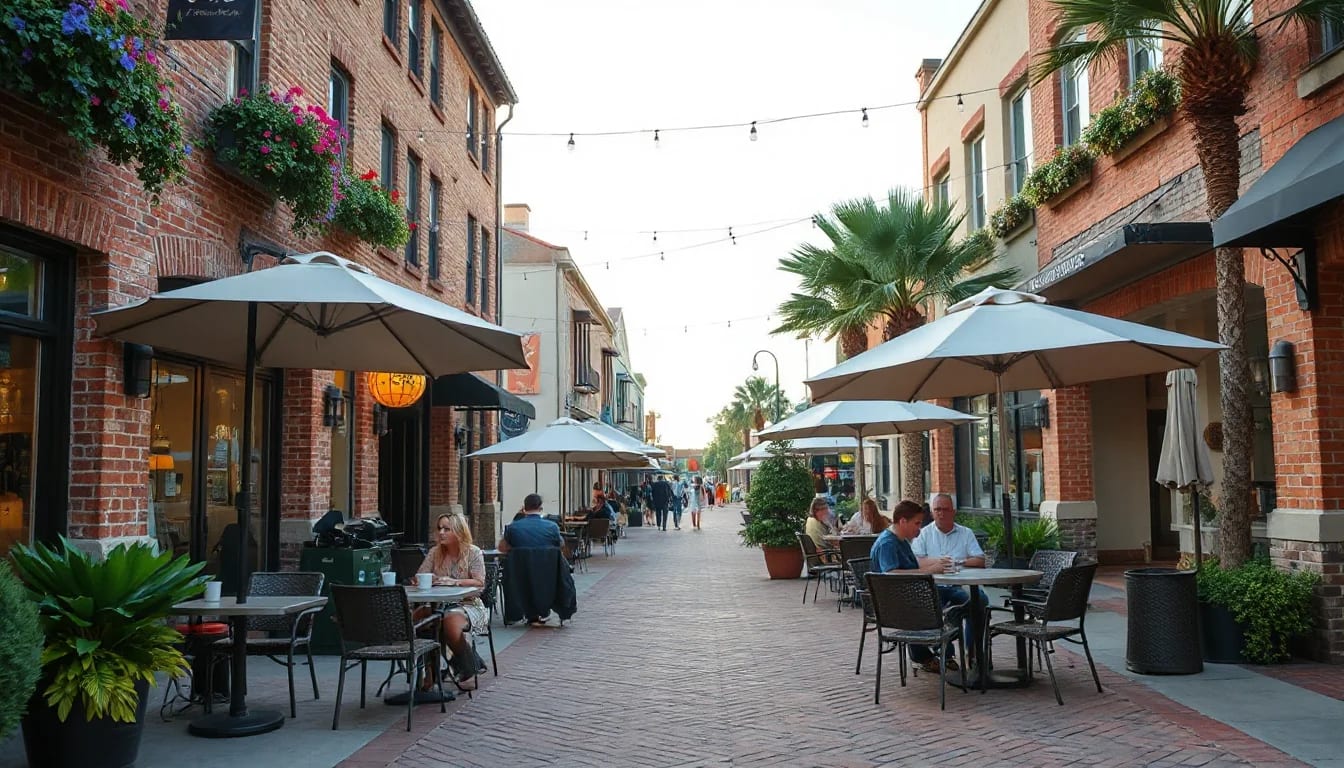
Punta Gorda offers a coastal Florida setting shaped by waterfront paths, public parks, historic streets, and the activity around Fishermen’s Village. Whether you are considering a move or simply comparing local areas, exploring these everyday landmarks can help you picture how errands, recreation, dining, and time outdoors may fit into your routine.
A Waterfront Starting Point
Set along Charlotte Harbor in Southwest Florida, Punta Gorda has a relaxed, connected feel that becomes most apparent near the water. The city’s compact historic core, harbor views, public green spaces, and marina activity create many opportunities to spend time outside without making every outing a major plan. It is a place where a morning walk, an afternoon on the water, and an evening meal can all happen within a relatively short drive or bike ride.
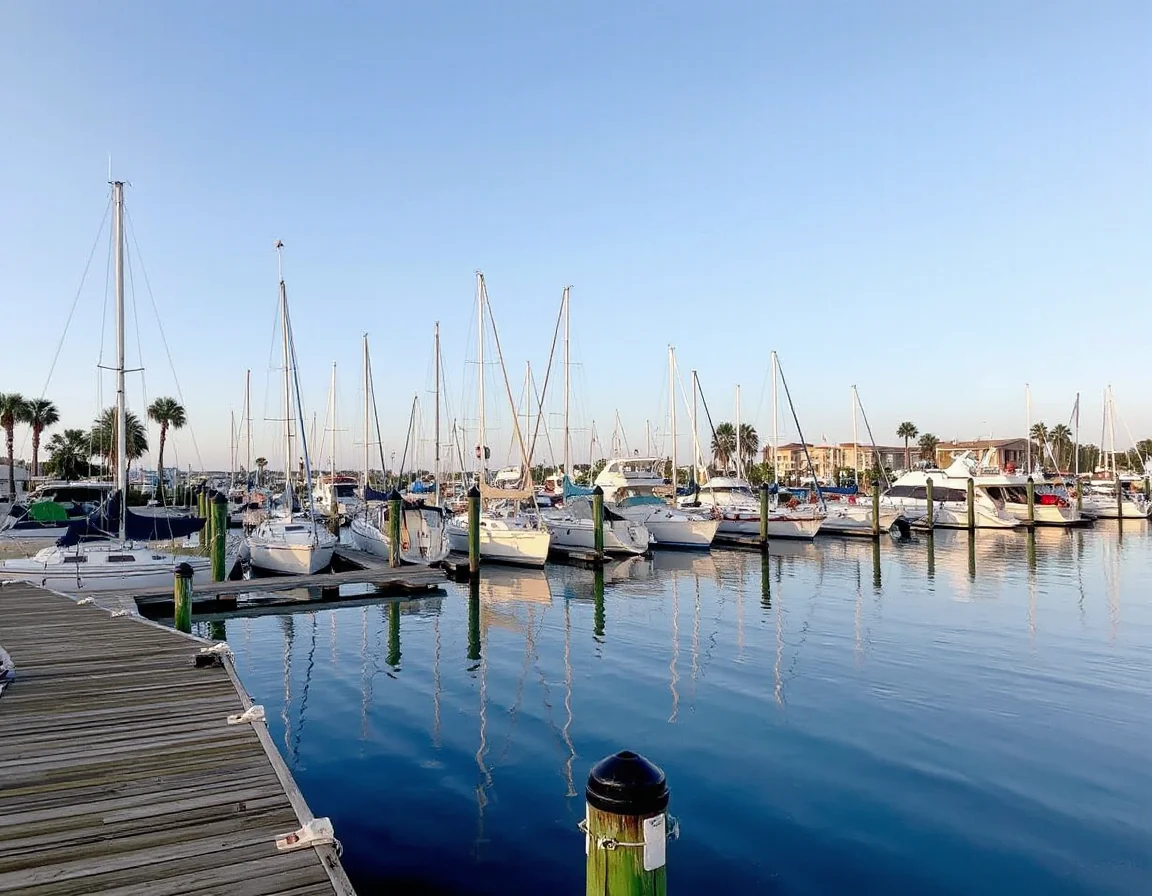
Fishermen’s Village is one of the city’s recognizable waterfront destinations. Positioned along the harbor near a marina, it brings together boardwalk views, boat slips, outdoor seating, lodging, and a collection of independently operated businesses. The appeal is not just the destination itself; it is the setting. A visit can begin with watching boats move through the harbor, continue with a casual meal or browse, and end with a sunset view from the water’s edge.
For home buyers, nearby amenities are often most useful when considered as part of a weekly rhythm rather than as a one-time attraction. Living close to waterfront activity may mean easier access to walking routes, marina services, public events, or harborfront dining. Living farther inland can offer a different balance of lot size, home style, price point, and travel time. Punta Gorda’s neighborhoods vary, so it is helpful to compare a property’s location with the places you expect to use most often.
A harbor view is only one part of the location equation. When touring a home, consider the route to parks, groceries, medical services, major roads, and the waterfront at the times of day you would actually travel.
The harbor also gives Punta Gorda a strong outdoor identity. Boating, fishing, paddling, and shoreline walks are common ways to experience the area, while the open water creates changing scenery throughout the day. Conditions can shift with weather and season, of course, but the visual connection to Charlotte Harbor remains a defining feature of life here.
Parks, Paths, and Time Outside
Punta Gorda’s public parks and multiuse paths add another layer to the city’s appeal. Along the waterfront, Harborwalk provides a scenic route for walking, cycling, and taking in views of the harbor. The path links several points of interest and makes it possible to create a simple outing around fresh air and movement rather than a specific destination.
Gilchrist Park, located along the shoreline, is a notable stop for open lawn, mature trees, waterfront seating, and recreational facilities. Nearby Laishley Park and its marina area offer another public-facing harbor setting. These spaces help make the water accessible beyond private docks and waterfront residences, which matters for anyone who wants to enjoy the setting without needing to own a boat or live directly on the shoreline.
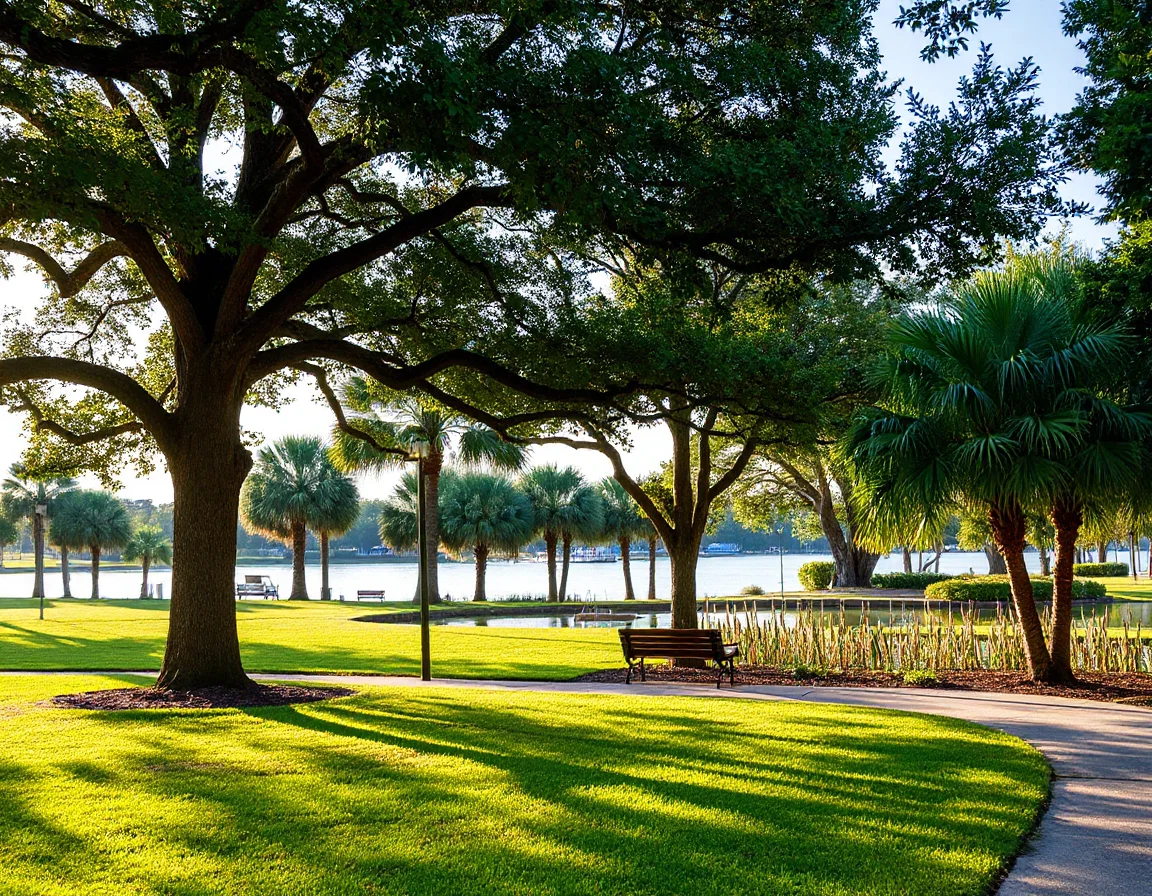
Those looking at Punta Gorda real estate may find that proximity to a park means different things depending on the property. Some homes are a short walk from a public green space, while others may be closer to golf courses, canals, community amenities, or quieter residential streets. A map can tell you the distance, but an in-person visit gives a clearer sense of sidewalks, shade, traffic patterns, parking, and how a route feels in Florida’s warm climate.
The city is also known for its network of bicycle-friendly routes and for an urban layout that rewards unhurried exploration. The historic district’s streets invite a slower pace, with older homes, broad canopies, and architectural details that distinguish the area from newer development farther from the harbor. For buyers drawn to character, the age and design of a home may be as important as its square footage.
As with any coastal market, property research should include practical questions. Review flood-zone information, insurance considerations, roof age, wind-mitigation features, drainage, hurricane protection, and community or municipal requirements. These details are not as immediately visible as a sunset over the harbor, but they can have a meaningful role in evaluating ownership costs and long-term maintenance.
Downtown’s Historic Character and Everyday Convenience
Downtown Punta Gorda offers a walkable setting with historic buildings, public art, dining options, galleries, and community gathering spaces. The scale is approachable: rather than a towering urban core, the district has a collection of blocks where local activity unfolds at street level. Seasonal events, live music, art-focused gatherings, and farmers market days bring additional energy to the calendar.
One of the most useful ways to explore downtown is to arrive without a rigid checklist. Park, walk several blocks, pause at the waterfront, notice the street trees and home styles, and observe what is open at different times. This kind of visit can reveal whether you value being close to the center of activity or prefer a residential setting that offers an easier drive to it. Neither choice is universally better; it comes down to how you want a location to support your daily life.
Punta Gorda’s historic core and harborfront are especially worth revisiting at more than one time of day. Morning, midafternoon, and sunset visits can each reveal a different pace, level of activity, and view of the waterfront.
Housing choices in and around Punta Gorda include historic homes, condos, villas, canal-front properties, golf-oriented communities, newer construction, and residences with access to community amenities. Inventory and pricing can change quickly across these categories, and comparable homes may differ substantially in updates, lot orientation, water access, association fees, and insurance profile. Looking beyond listing photos is essential, particularly for waterfront or older properties where the details can shape value.
How to Explore the Area With Purpose
A thoughtful Punta Gorda visit can combine lifestyle research with practical real estate research. Start at Fishermen’s Village or the harborfront, then follow Harborwalk toward downtown and one of the public parks. From there, drive through a few distinct residential areas to compare street patterns, home styles, landscaping, and travel times. If waterfront living is on your list, note whether a property has direct harbor access, canal access, a dock, or simply a water view—those descriptions can represent very different ownership experiences.
It also helps to make a short list of priorities before touring homes. Perhaps your focus is a covered outdoor space, a location near downtown, a low-maintenance condominium, a garage with storage, a community pool, or a property with room for a boat trailer where permitted. Clear priorities make it easier to assess tradeoffs and avoid being distracted by a single appealing feature that does not match the larger plan.
Punta Gorda’s draw is ultimately its mix of coastal scenery and usable local amenities. Fishermen’s Village, waterfront parks, the harbor, and downtown each offer a different way to experience the city, while the surrounding residential areas provide a wide range of home options. Taking time to explore these places firsthand can turn a general interest in Punta Gorda into a more informed understanding of what living here could look like.