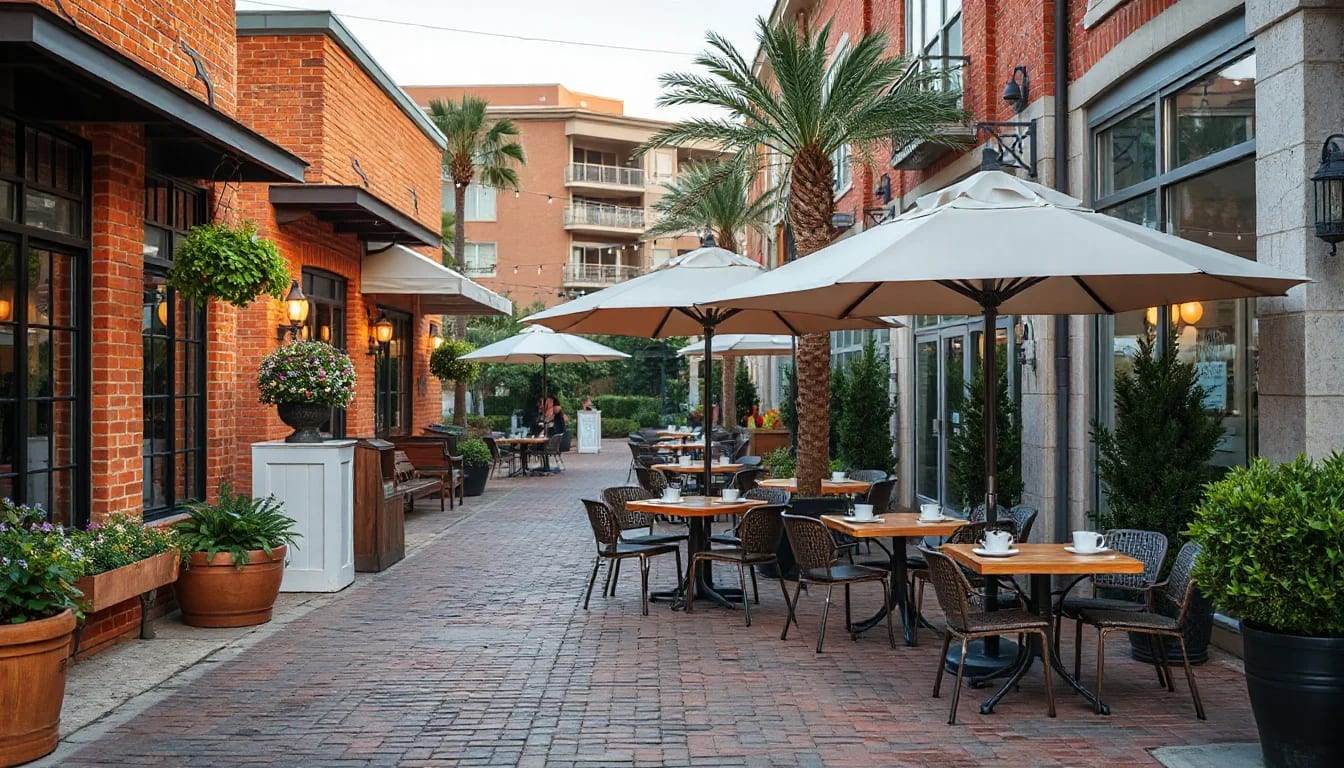
Cape Coral offers an everyday rhythm shaped by canals, public parks, waterfront views, local dining, and practical conveniences spread across a large coastal city. Whether you are comparing neighborhoods or planning a visit, understanding how recreation, errands, and dining fit into daily life can help you evaluate the area with more confidence.
A City Built Around Water, Open Space, and Daily Routines
Cape Coral’s layout makes it a place where daily plans often include a view of the water, a stop at a neighborhood park, or a drive along broad residential corridors lined with palms and canals. With an extensive canal system and access points to the Caloosahatchee River and nearby Gulf waters, the city’s outdoor setting is part of ordinary life rather than a special-occasion backdrop. The experience varies by location: some homes are close to boating routes, while others are positioned near commercial corridors, parks, schools, and medical services.
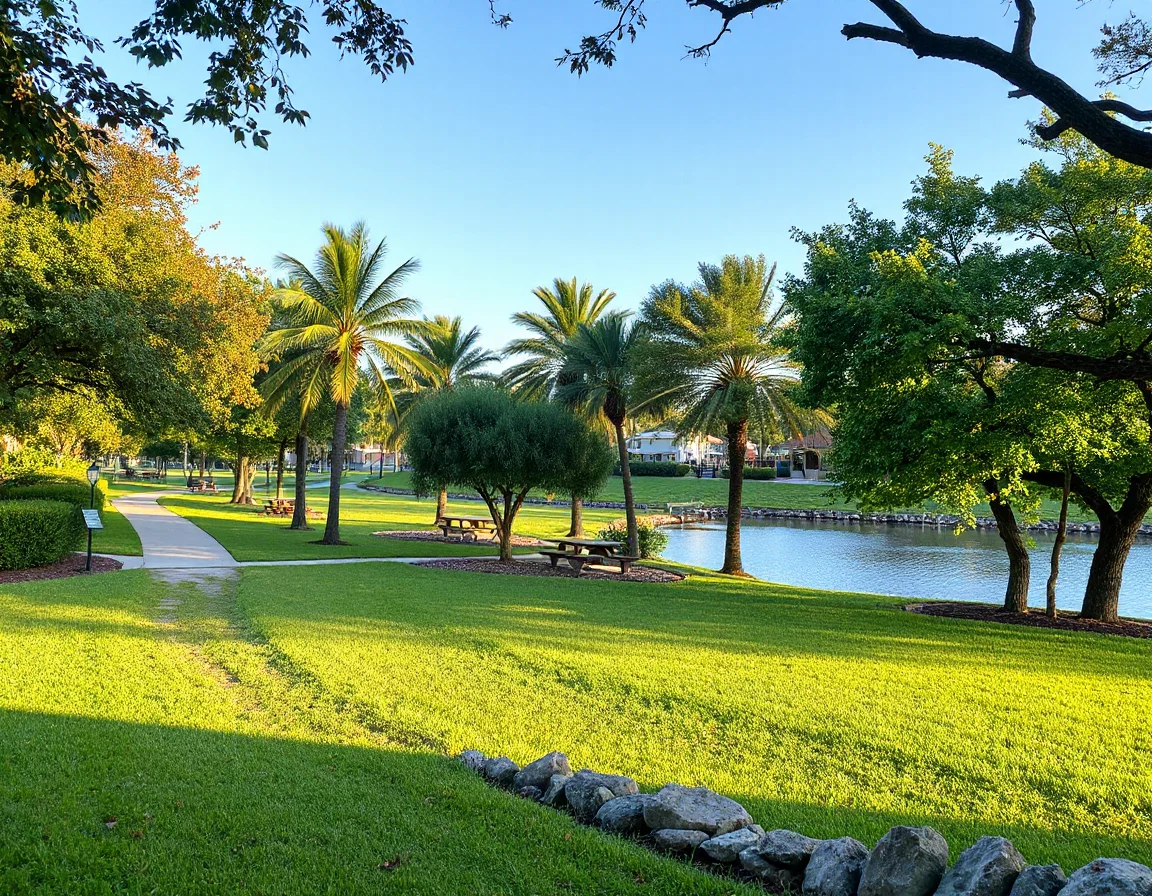
For many residents, parks provide an easy way to step outside without leaving the city. Four Freedoms Park, for example, is known for its waterfront setting near the Cape Coral Parkway area, while Jaycee Park offers riverfront scenery, open lawn, and places to pause along the water. Rotary Park Environmental Center adds a different kind of outing, with natural areas and trails that highlight Southwest Florida’s native landscape. Conditions, access, and programming can change over time, so it is helpful to check current city information before planning a visit.
The park system also includes ball fields, playgrounds, recreation facilities, and spaces for community events. Rather than treating amenities as a checklist, buyers can use them as a practical guide for comparing locations. A home near a favorite walking route may feel very different from one closer to a marina, golf course, or major retail corridor. During a property tour, it can be useful to drive the route to the nearest park at the same time of day you expect to use it.
In a city with a wide footprint, “nearby” can mean a very different drive depending on the bridge route, canal crossings, and the time of day. Testing everyday routes is as important as touring the home itself.
Cape Coral’s outdoor character extends beyond formal parks. Waterfront promenades, boat ramps, fishing spots, and neighborhood sidewalks offer many ways to enjoy the subtropical climate. Boating and paddling are common local activities where access is available, while those who prefer land-based recreation can look for trails, tennis facilities, golf courses, and shaded green spaces. Seasonal weather matters: summer afternoons can bring heat and rain, while the cooler months often make outdoor errands and recreation especially appealing.
Explore Cape Coral area information
Dining and Gathering Places Across Cape Coral
Dining in Cape Coral ranges from relaxed waterfront settings to neighborhood favorites, international flavors, breakfast stops, bakeries, and casual evening options. Much of the activity is concentrated around Cape Coral Parkway, Del Prado Boulevard, Pine Island Road, and the developing areas near the city’s larger commercial centers. The variety gives residents options for a quick meal after errands, a waterside table, or a longer evening out without necessarily crossing a bridge into another community.
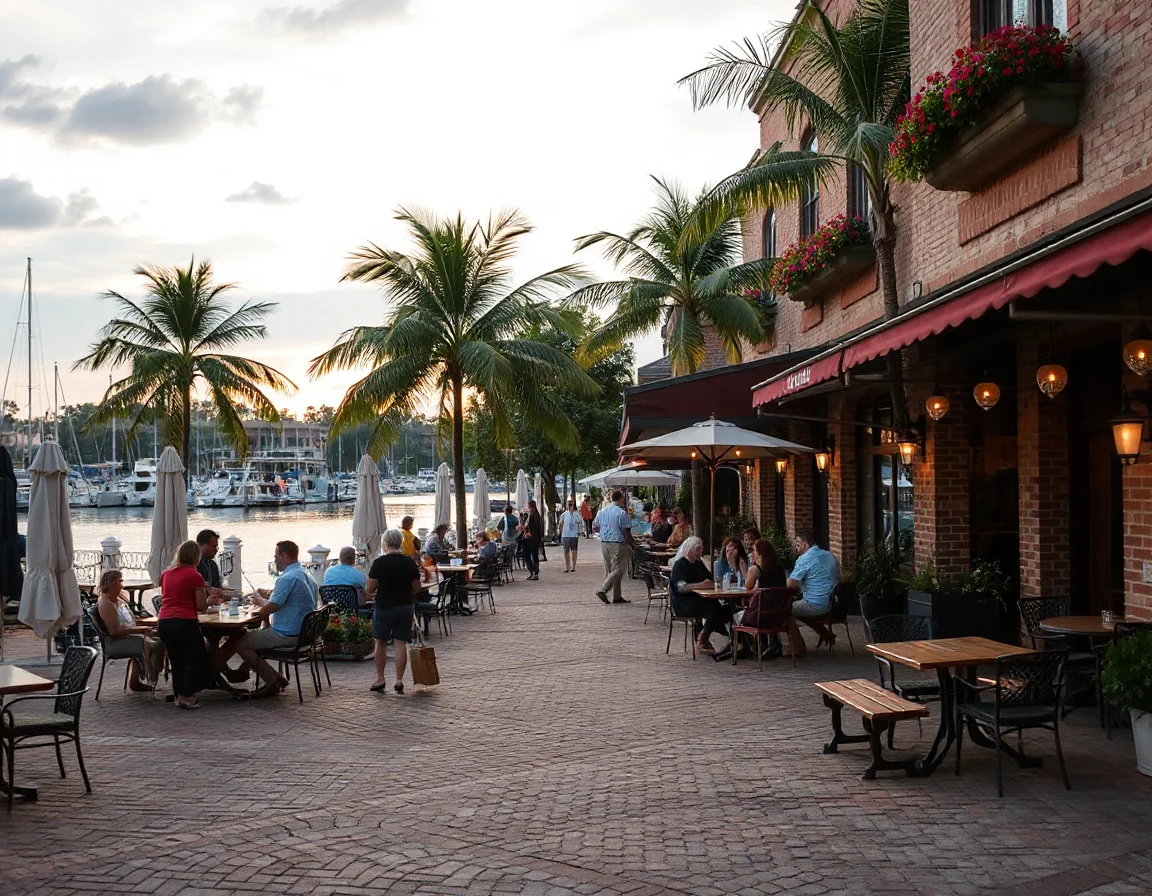
Waterfront dining is a recognizable part of the local landscape, especially in areas with marina access or canal views. These settings can make an ordinary weekday meal feel connected to the city’s coastal identity, with boats passing through nearby waterways and sunset light reflecting across the water. Reservations, hours, and seasonal crowds can vary, particularly during the busiest visitor months, so flexibility is useful when planning a popular waterfront outing.
Beyond the water, Cape Coral has a growing collection of food options distributed throughout the city. This is meaningful for home shoppers because the closest dining choices may depend heavily on which side of Cape Coral they are considering. Northwest and northeast areas can offer a different pattern of nearby services than the more established southeast and southwest sections. There is no single “best” location for every routine; the useful question is whether the nearby mix of groceries, dining, recreation, and roadway access fits your own priorities.
Community events also bring a different energy to local gathering spaces. Seasonal festivals, outdoor music, farmers markets, charity events, and recreation programs can create opportunities to explore public spaces in a more active setting. Event calendars change, but they can be a worthwhile resource for anyone getting acquainted with the city. Visiting on both a quiet weekday and an event day can reveal how an area feels under different conditions.
A location close to Cape Coral Parkway or Pine Island Road may offer shorter trips for dining and errands, while other areas may trade that convenience for a different pace, lot configuration, or proximity to water access.
Conveniences to Consider When Comparing Locations
Everyday convenience in Cape Coral starts with the details that are easy to overlook during a single showing. Grocery stores, pharmacies, health care offices, fuel stations, fitness facilities, hardware stores, and professional services are available throughout the city, but drive times can differ considerably by neighborhood. Cape Coral is geographically large, and its canals create a distinctive street pattern that can make a short distance on a map feel longer behind the wheel.
Bridge access is another important consideration for people who commute or regularly travel to Fort Myers and other parts of Lee County. The Cape Coral Bridge and Midpoint Bridge connect the city to Fort Myers, and traffic patterns can shift with the season, weather, roadwork, and peak travel hours. Buyers comparing homes on different sides of the city may want to map recurring destinations such as workplaces, airports, medical appointments, recreation sites, or preferred grocery stores rather than relying on a general estimate.
Schools, utilities, flood information, insurance considerations, and municipal services are also part of a complete location review. School assignment boundaries and program availability should be verified directly with the appropriate district, while property-specific questions about utilities, assessments, permits, seawalls, docks, and flood zones should be researched carefully. Waterfront and canal-front properties can have especially distinct maintenance and access considerations, making due diligence important before making an offer.
For home buyers, the strongest comparison is usually a real-world one. Take a morning drive, make an afternoon grocery run, visit a park, and see how the route feels after sunset. A property can have appealing features on paper, but the surrounding pattern of roads, amenities, water access, and daily services is what shapes the lived experience over time.
Finding the Right Fit in Cape Coral
Cape Coral rewards an unhurried look. Its parks and waterways create a strong outdoor identity, its dining options continue to broaden, and its practical services are spread across a city with many distinct pockets. By pairing a property search with visits to nearby parks, commercial corridors, waterfront areas, and routine destinations, you can build a clearer picture of what daily life may look like. The most useful choice is the one that connects the home’s features with the locations and conveniences you value most.