
Cape Coral’s canal system shapes how people use the city every day, from boating access and dock design to where marinas, launches, and waterfront dining cluster. If you are comparing neighborhoods, it helps to know the difference between Gulf-access and freshwater canals, what nearby amenities actually mean for daily convenience, and how waterfront features can affect value, upkeep, and availability. This guide breaks down the practical details so you can evaluate waterfront property with clearer expectations.
How Cape Coral’s Canal Network Influences the Home Search
Cape Coral is known for its extensive canal layout, and that water network is more than a scenic backdrop. It affects road patterns, lot orientation, bridge access, boating routes, and the kinds of homes available in different parts of the city. Some buyers focus on direct Gulf access and the ability to keep a boat behind the house, while others prefer freshwater canal locations that still deliver broad water views and outdoor living space without the same navigation priorities.
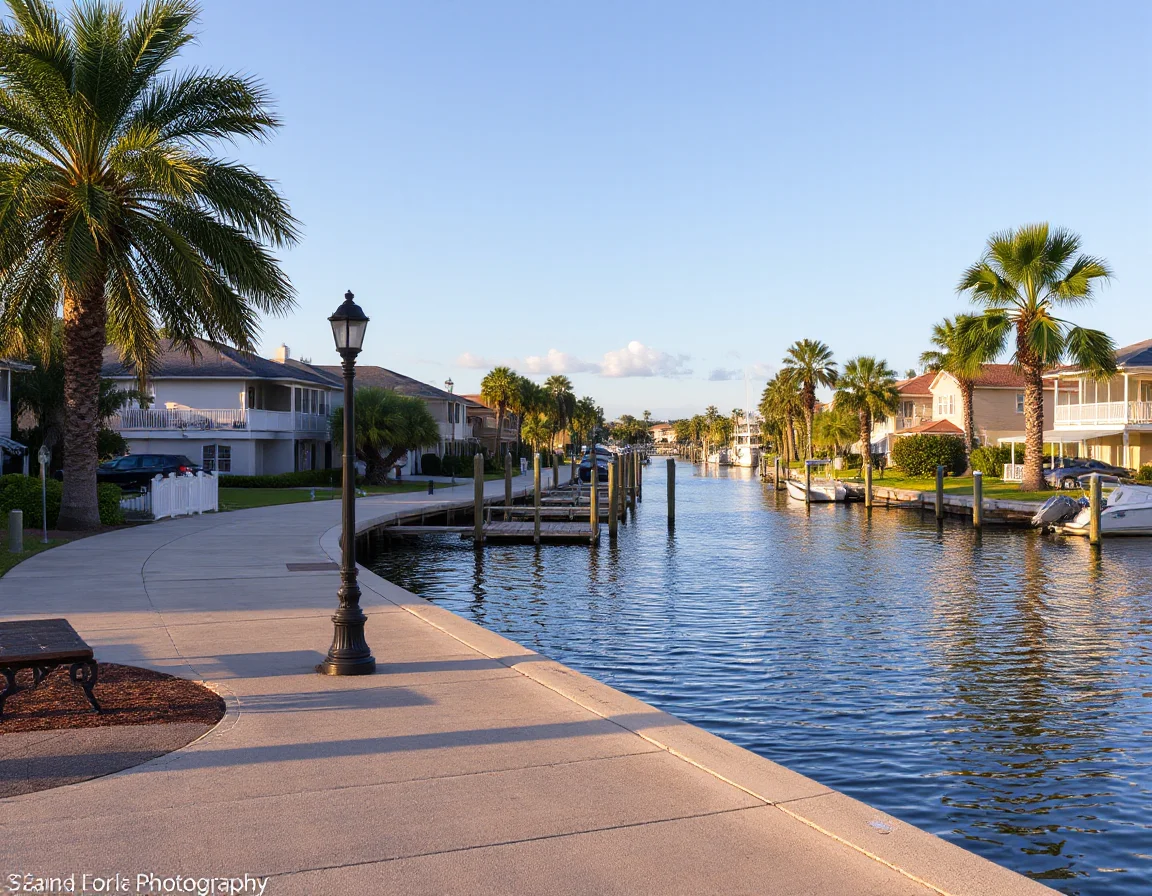
That distinction matters early in the process. A Gulf-access property may appeal to people who want to boat toward the Caloosahatchee River and beyond, but the route can include bridges or locks depending on location. A freshwater canal home may offer a quieter boating environment for smaller recreational use, plus a visual setting many owners appreciate for lanais, pools, and backyard entertaining. In both cases, canal width, seawall condition, dock setup, and exposure to afternoon sun can all play into day-to-day enjoyment.
Another factor is how the canal grid shapes proximity to errands and recreation. Two properties may look similar online yet feel very different in person because one sits close to a marina, launch, and waterfront trail while the other offers a more tucked-away setting with longer drive times across bridges. In Cape Coral, location decisions are often as much about the pattern of land and water as they are about square footage.
In waterfront searches, map time matters. Looking at bridge routes, idle times, and canal turns can be just as important as comparing list price or interior finishes.
Gulf Access, Freshwater Canals, and What “Waterfront” Really Means
One of the most useful questions to ask is simple: What kind of waterfront is this? In Cape Coral, “waterfront” can describe a wide range of experiences. Gulf-access homes are often sought for larger boating flexibility, but not every Gulf-access lot offers the same convenience. Bridge heights matter if you have a tall vessel, and travel time out to open water can vary significantly by neighborhood and canal route. A home that appears close to the river on a map may still involve slower navigation than expected.
Freshwater canal homes serve a different purpose and can still be highly appealing. Many offer long water views, fishing from the dock edge, kayak use, and a strong sense of openness behind the home. For buyers who want the feel of waterfront living without prioritizing open-water boating, these properties can broaden choices considerably. They can also shift budget opportunities depending on lot size, home age, and canal position.
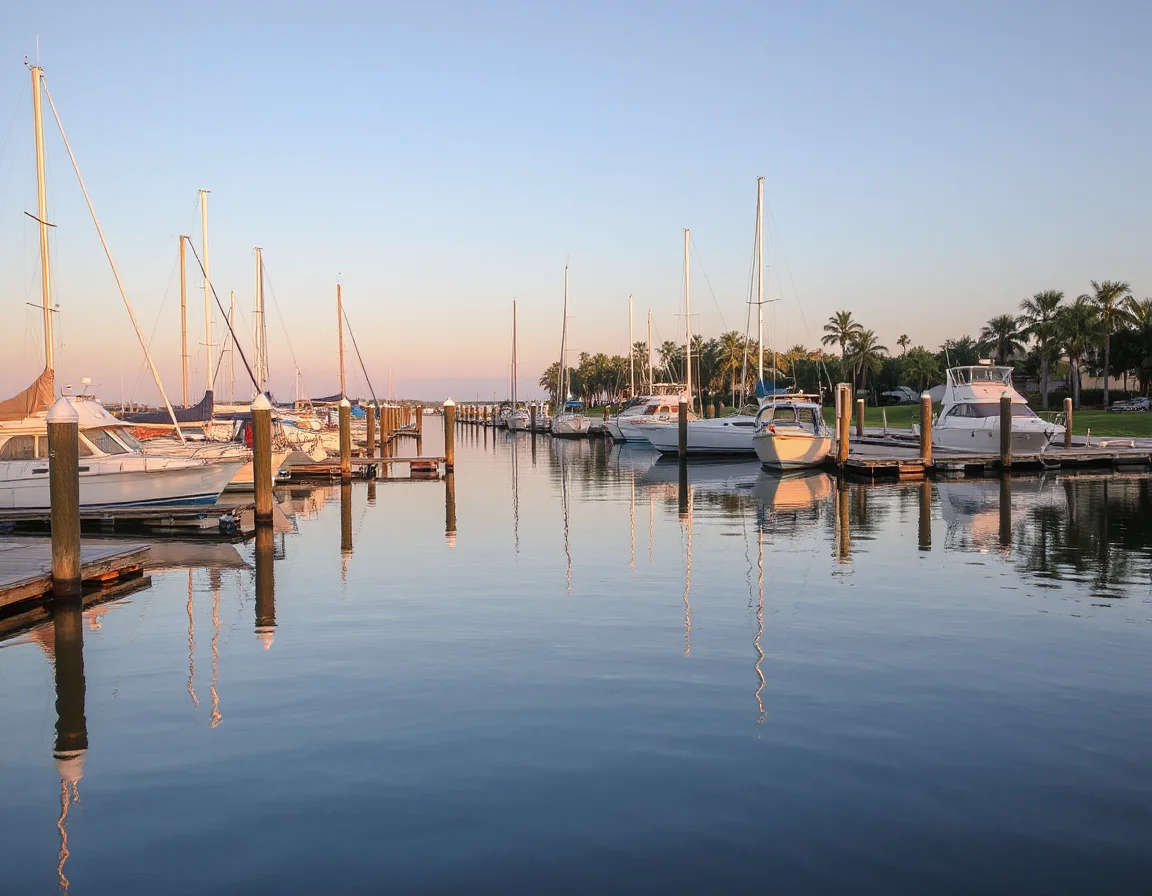
Waterfront also includes the practical side of ownership. Seawalls, docks, lifts, pool cages, and irrigation setups all add layers to inspection and maintenance planning. Insurance, utility costs, and storm preparation routines may differ from inland properties. Buyers comparing options should not assume every dock is move-in ready or that every lift fits a specific boat size. Understanding those details before making an offer helps avoid surprises later.
For sellers, these distinctions influence marketing strategy too. A property with a newer seawall, composite dock, or quick route to major boating corridors may deserve a different presentation than a home where the main value lies in sunset views, lanai design, and broad canal frontage. Precise waterfront details tend to matter more than generic labels.
A listing described as waterfront tells only part of the story. Access type, seawall condition, and canal route often have a bigger effect on use than the headline alone.
Marinas, Launches, and Everyday Waterfront Convenience
Cape Coral’s marinas and public boating access points add flexibility for both full-time residents and seasonal owners. Even for homeowners with private docks, nearby marina services can be a major plus. Fuel access, service facilities, transient slips, storage options, and launch convenience all contribute to how easy it is to get on the water and maintain a boating routine over time.
Boat ramps and marina clusters can also influence surrounding real estate activity. Areas near established waterfront amenities may see interest from buyers who want convenience without requiring a large private dock setup at home. Others intentionally search farther away for a more residential feel while still staying within a manageable drive to launch points. Neither approach is better across the board; it depends on how frequently the water will be used and what kind of vessel is involved.
Beyond boating, marinas often anchor a broader waterfront pattern that includes walking routes, public gathering areas, and nearby places to spend an evening by the water. In Cape Coral, that can make a difference in how a neighborhood feels after a workday or on a weekend. A canal-front home that is also close to waterfront recreation may offer a different rhythm than one focused mainly on private outdoor space.
If you are comparing multiple sections of the city, it helps to think through your actual routine. Would you rather step out to a private dock every morning, or prefer a home with less marine infrastructure and use nearby marinas when needed? That question often narrows the search faster than broad online filters.
Outdoor Space, Views, and Property Features Worth Watching
Waterfront living in Cape Coral is often experienced from the lanai as much as from the boat. Screened outdoor areas, pool placement, outdoor kitchens, and the way the house opens to the water can shape value and usability. A modest home on a well-positioned lot may live larger than its square footage suggests if the rear elevation captures a long canal view and connects smoothly to outdoor entertaining space.
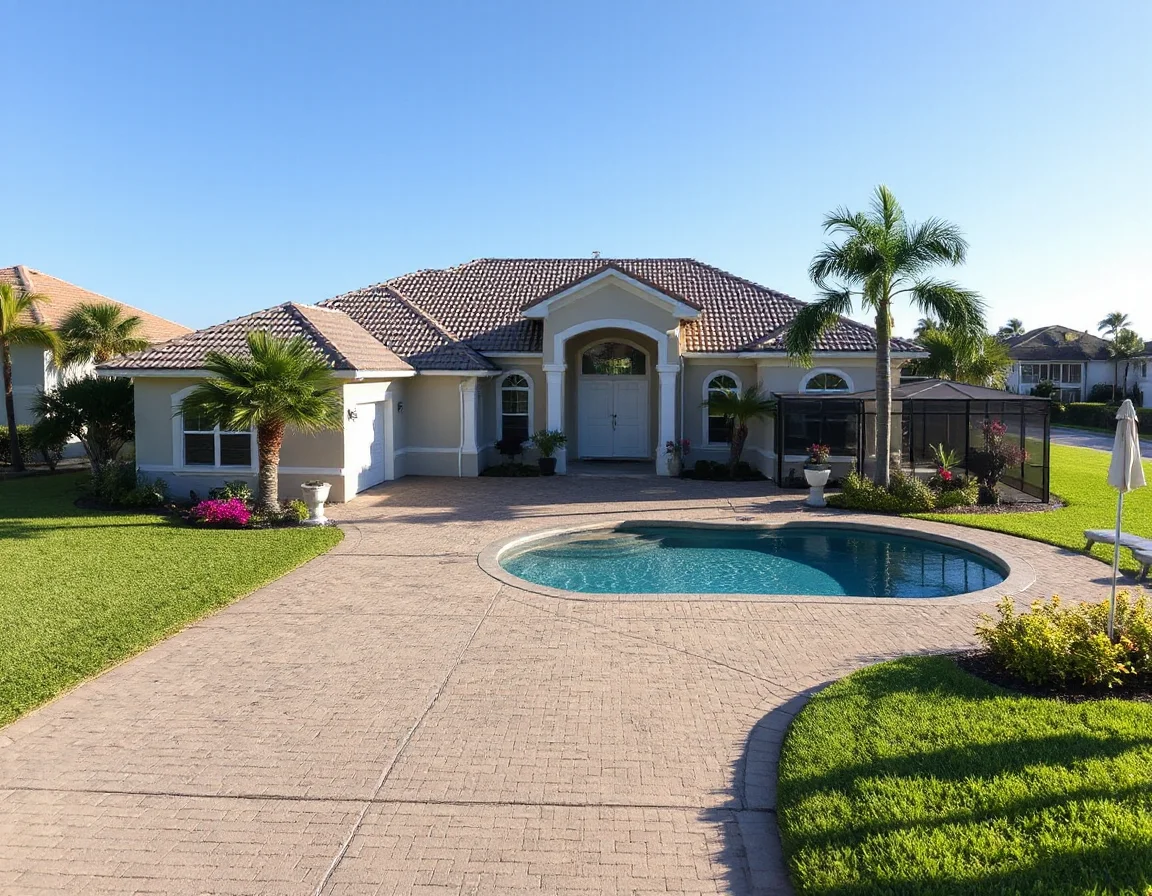
Pay attention to orientation and lot shape. Western exposure may deliver dramatic evening light, while other exposures can shift how much sun reaches the pool throughout the day. Intersecting canal views are especially popular because they can create a wider visual corridor and more separation from homes across the water. At the same time, extra waterfront footage may come with added seawall responsibility, so the visual upside should be weighed alongside maintenance planning.
Dock design is another major variable. Some properties have simple wood docks suited to sitting by the water or launching a kayak, while others include lifts, captain’s walks, fish-cleaning stations, and room for larger craft. The condition and permitting history of these features are important to confirm during due diligence. For many buyers, the best waterfront property is not the one with the most features on paper, but the one where the setup clearly matches how they plan to use it.
As inventory shifts, homes with updated exterior systems and thoughtful outdoor layouts often stand out quickly. On the selling side, clear documentation about recent improvements can help buyers understand the real value behind the waterfront setting.
What to Keep in Mind When Comparing Waterfront Opportunities
The strongest waterfront decisions usually come from balancing lifestyle goals with practical details. Canal type, boating route, marina access, dock condition, outdoor living design, and neighborhood convenience all work together. A home that checks every box for one buyer may feel less useful for another if the route to open water is too long, the lot orientation does not fit the way the outdoor space will be used, or the maintenance picture feels heavier than expected.
Cape Coral offers unusual variety within one city, and that is part of its appeal. Some blocks emphasize broad intersecting canal views, others prioritize quicker boating access, and others offer a more affordable entry into waterfront ownership with strong everyday enjoyment. The key is to evaluate each home as a full waterfront package rather than focusing on one headline feature.
Whether you are browsing casually or preparing to move soon, understanding the canal and marina landscape can make your search far more efficient. When you know what type of access, amenities, and property setup matter most, it becomes easier to identify the waterfront opportunities that truly fit your goals.