
Buying a first home in Fort Myers becomes much more manageable when each decision has a clear place in the process. From reviewing a mortgage preapproval to planning the final walk-through, these practical steps can help you prepare, compare options, and move toward closing with fewer last-minute surprises.
Start With a Budget That Fits the Full Picture
A first home purchase is exciting, but the strongest starting point is not a listing—it is a realistic monthly budget. Before touring homes in Fort Myers, take a close look at income, recurring expenses, savings, and the cash available for a down payment and closing costs. A lender can help estimate a borrowing range, while your own budget helps determine what payment feels sustainable after utilities, insurance, maintenance, and everyday expenses are included.

Preapproval is the next useful checkpoint. This is different from a quick online estimate or prequalification. For a preapproval, a lender typically reviews documentation such as income, assets, debts, and credit information before providing a conditional borrowing amount. It can clarify the price range to consider and shows sellers that financing has been reviewed when you submit an offer.
It is wise to ask for more than one loan scenario. Compare the estimated interest rate, loan term, down payment, projected cash to close, and monthly payment. Fort Myers buyers may also encounter homes with homeowners’ association fees, condominium fees, flood insurance considerations, or special assessments, depending on the property. Those costs can meaningfully affect affordability, so bring them into the conversation early rather than treating the purchase price as the only number that matters.
A preapproval helps set a shopping range, but the best target price is the one that leaves room in your budget for ownership costs after closing.
Keep your financial profile steady while you shop. Avoid opening new credit accounts, making large unexplained deposits, financing major purchases, or changing employment without first discussing it with your lender. Mortgage underwriting often involves updated documentation before closing, and a stable financial picture can help prevent avoidable delays.
Explore mortgage planning resources
Define Your Search Priorities Before Touring Homes
Fort Myers offers a broad mix of property types, from condominiums and townhomes to single-family homes in established neighborhoods and newer communities. Instead of trying to find a property that checks every possible box, create two lists: must-haves and preferences. Must-haves may include a minimum bedroom count, an acceptable commute, a first-floor primary bedroom, a garage, or a budget limit. Preferences might include an updated kitchen, a screened outdoor area, a particular architectural style, or extra storage.
Location research deserves the same attention as the home itself. Review commute routes, nearby parks, grocery options, medical services, public transportation availability, municipal services, and homeowner association rules where applicable. If a property is near water or located in a designated flood zone, review insurance requirements and ask questions about elevation, prior improvements, and available documentation. Objective property details are especially helpful when comparing several homes that may look similar at first glance.
During a showing, look beyond paint colors and furniture placement. Notice the condition of windows and doors, the age and visible condition of the roof, the electrical panel, drainage around the exterior, signs of moisture, and the layout’s day-to-day functionality. A home can be updated cosmetically while still needing attention to major systems. Taking notes after each visit makes it easier to compare homes later, when individual details begin to blend together.
It also helps to remember that a listing can move quickly. Having your lender contact, proof of funds for earnest money, and a clear offer strategy ready can make decision-making more efficient when a home stands out. Preparation does not require rushing; it gives you the ability to act deliberately.
Make an Offer With Inspection and Financing in Mind
When you are ready to offer, the purchase contract should reflect more than price. Your real estate professional can help you consider the closing date, earnest money, financing terms, inspection period, requested seller concessions when appropriate, and any personal property included in the sale. The goal is a clean, understandable offer that addresses the important terms without relying on assumptions.
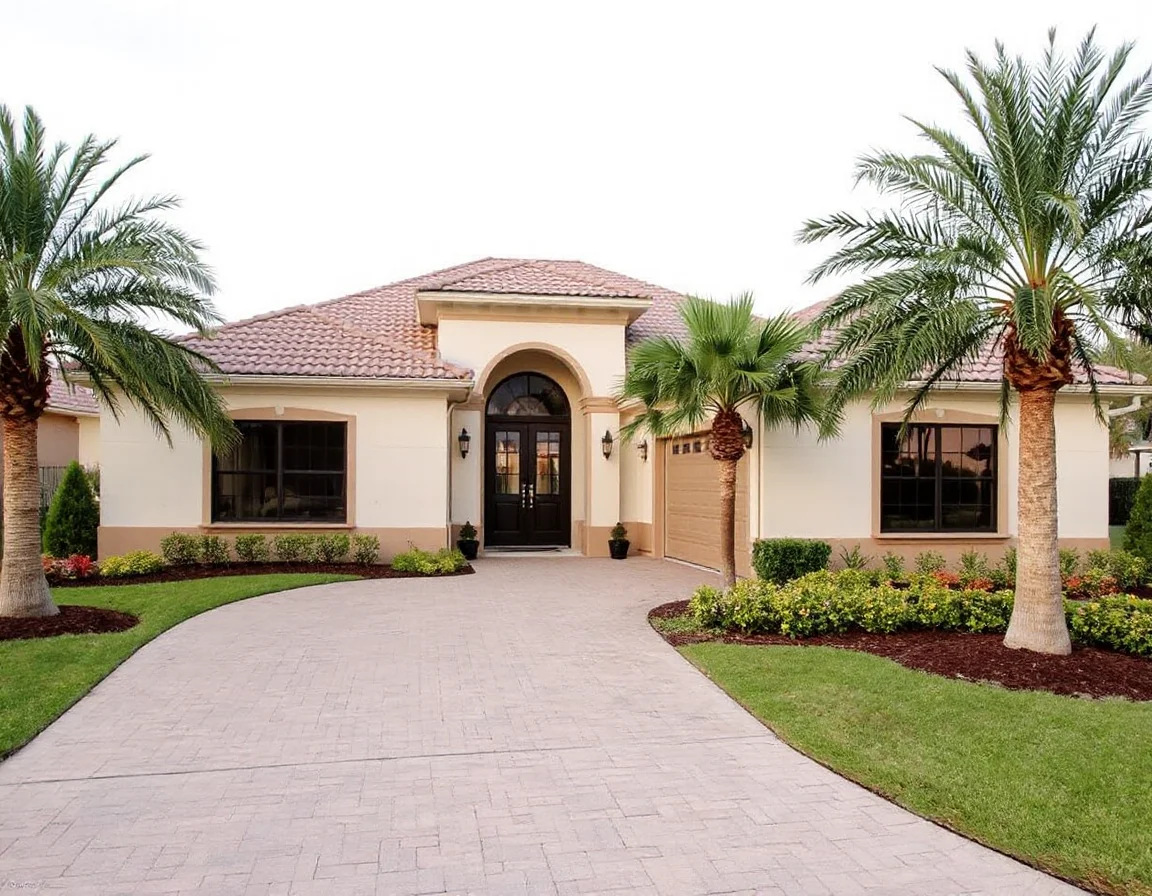
Once a contract is accepted, the inspection period is an opportunity to learn more about the property. A licensed home inspector can evaluate visible and accessible components and provide a report describing conditions observed at the time of inspection. Depending on the home and your contract, additional evaluations may be useful for items such as roofing, plumbing, electrical systems, pests, pools, seawalls, or HVAC equipment.
An inspection is not necessarily a pass-or-fail event. Nearly every property will have maintenance items, and the report can help you distinguish between routine upkeep and concerns that warrant further review. Read it carefully, ask questions, and consider professional estimates where needed. If the contract allows, you may negotiate repairs, credits, or another resolution; in other cases, you may simply plan for future maintenance after closing.
Use the inspection report as a planning tool: prioritize health, safety, water management, and major systems before focusing on cosmetic changes.
Meanwhile, your lender will order an appraisal if required for financing. The appraisal is an independent opinion of value for the lender, based on the property and comparable sales data. It is separate from the inspection. If the appraisal, loan approval, or inspection process raises questions, address them promptly with the appropriate professional so that deadlines remain visible and options can be evaluated calmly.
Prepare for the Final Days Before Closing
As closing approaches, your lender will provide a Closing Disclosure outlining the final loan terms, projected payment, and closing costs. Review it closely and compare it with earlier loan estimates. Ask about any item that is unclear, including prepaid expenses, lender charges, title-related costs, insurance, or escrow amounts. Knowing where the funds are going can make the signing appointment far less intimidating.
Homeowners insurance should be arranged early enough to meet lender requirements. In coastal Southwest Florida, insurance availability and premium estimates can vary by property features, location, roof age, and coverage choices. Requesting quotes before you are at the finish line gives you more time to evaluate options and avoid scrambling shortly before closing.
The final walk-through generally occurs shortly before closing. This is your opportunity to confirm that the home is in substantially the agreed-upon condition, that negotiated repairs have been completed if applicable, and that included items remain at the property. Bring your contract and any repair documentation, turn on fixtures where appropriate, and speak up promptly if something does not match expectations.
Think Beyond the Closing Table
Closing is a milestone, not the end of homeownership planning. Save copies of your inspection report, warranties, closing documents, insurance information, and records for any improvements. Set aside a maintenance reserve, even if it begins modestly, and create a seasonal checklist for items such as air-conditioning service, gutters, irrigation, exterior sealing, and landscape care.
For first-time buyers, the process is less about knowing every answer from day one and more about assembling the right information at each stage. With a budget grounded in real costs, a well-supported preapproval, careful property review, and an organized path to closing, you can approach a Fort Myers home purchase with clarity and confidence. Nadja Hoffman can help you navigate the local search process and keep the next step in view from the first showing through the closing table.